Gunsmithing Training Program in DeSoto, TX
Train for Hands-On Gunsmithing Skills in a Shop-Focused EnvironmentGunsmithing is a precision trade built on mechanical skill, firearm safety, technical discipline, responsible handling, and careful attention to detail.
MT Training Center’s Gunsmithing Training Program in DeSoto, TX helps students build foundational skills connected to firearm safety, gunsmithing essentials, machine shop work, TIG welding, stock making, firearm design and function, ballistics awareness, shop management, and employment preparation.
For students searching for gunsmithing training, a gunsmithing school in Texas, or a hands-on gunsmithing program near Dallas-Fort Worth, this program offers a structured environment to begin developing practical shop-based skills.
Start Building a Technical Future in Gunsmithing
Many students are drawn to gunsmithing because they enjoy mechanical work, precision tools, firearms, repair, customization, and hands-on problem solving. But interest alone is not enough.
Gunsmithing requires patience, safety awareness, equipment knowledge, technical accuracy, and respect for the regulations connected to working with firearms.
MT Training Center gives students a structured training path where they can begin developing the shop skills, safety habits, and technical foundation needed for entry-level gunsmithing-related opportunities.
Training Built Around Safety, Skill, and Responsibility
Gunsmithing is not just a mechanical trade. It is a safety-focused profession where students must learn how to handle firearms responsibly, work with tools carefully, follow shop procedures, and understand the seriousness of legal and safety requirements.
MT Training Center’s Gunsmithing program is designed to help students build a foundation in technical gunsmithing skills while reinforcing safe firearm handling, responsible shop behavior, and awareness of applicable rules and documentation.
Students interested in working independently, starting a gunsmithing business, or performing firearms-related services should review all applicable federal, state, and local requirements before doing so.
This page does not promise employment, licensing, or business approval. It explains the training foundation students can build through MT Training Center’s Gunsmithing program.
Why Choose Gunsmithing Training?
Gunsmithing is a specialized trade that blends mechanical ability, firearm knowledge, machine work, metalwork, woodworking, repair, finishing, and safety procedures.
A strong training foundation can help students move beyond casual interest and begin learning the structured skills used in gunsmithing and related shop environments.
This program helps students learn about:- Firearm safety and responsible handling
- Gunsmithing essentials
- Tool use and shop procedures
- Machine shop fundamentals
- Manual mill and gunsmithing lathe awareness
- TIG welding applications
- Stock making
- Firearm design and function
- Ballistics and handloading safety concepts
- Shop management
- Paperwork and compliance awareness
- Employment preparation
For students who want a hands-on technical program, gunsmithing training can provide a focused path into a specialized trade.
Who This Program Is For
The Gunsmithing program may be a strong fit if you:
- Are interested in firearms, mechanics, and precision work
- Want hands-on gunsmithing training in DeSoto, TX
- Enjoy shop-based learning and technical problem solving
- Want to learn foundational machine shop skills
- Are interested in firearm repair, maintenance, refinishing, and assembly concepts
- Want to study stock making, design, function, and ballistics fundamentals
- Can meet the program’s background-check and safety requirements
- Want a gunsmithing school near Dallas-Fort Worth
- Are looking for a structured alternative to informal self-learning
- Want to build entry-level skills connected to gunsmithing and related shop work
This program is especially valuable for students who want training that combines firearms knowledge with practical shop skills, equipment awareness, and professional responsibility.
What You Will Learn in the Gunsmithing Program
| Gunsmithing Training Area | Skills, Knowledge, and Career Preparation |
|---|---|
| Gunsmith Essentials |
Students begin with foundational gunsmithing concepts, safety expectations, tool awareness, shop procedures, and the basic knowledge needed before moving into more advanced training areas. This section helps students understand the level of care, discipline, and responsibility required when working around firearms and gunsmithing equipment. |
| Firearm Safety and Responsible Procedures |
Safety is central to the Gunsmithing program. Students are expected to learn safe handling practices, responsible storage awareness, shop safety, tool safety, and the importance of careful decision-making in a firearms-related environment. This foundation is critical because gunsmithing requires technical skill and sound judgment. |
| Machine Shop Training |
Students are introduced to machine shop work connected to gunsmithing. Training includes awareness of safe operation and maintenance of shop equipment such as a manual mill, gunsmithing lathe, and related tools used in firearms-related work. Machine shop training helps students understand how precision, measurement, control, and equipment safety support gunsmithing tasks. |
| TIG Welding for Gunsmithing Applications |
The program introduces students to TIG welding concepts connected to gunsmithing and related shop work. Students learn in a structured training environment where safety, control, equipment awareness, and proper shop procedures are emphasized. |
| Stock Making |
Students study concepts connected to stock making, shaping, fitting, finishing, and related craftsmanship. This area helps students understand how woodwork, finishing, precision, and design awareness connect with firearm function and appearance. |
| Firearm Design and Function |
Students study firearm design and function so they can better understand how firearms operate, how parts interact, and why careful inspection and technical knowledge are important. This section supports a deeper understanding of firearms as mechanical systems while reinforcing safe and responsible procedures. |
| Ballistics and Handloading Safety Concepts |
Students are introduced to ballistics and handloading concepts with safety as the priority. This section helps students understand fundamentals related to ballistic behavior, components, published data awareness, and the importance of following safe, approved procedures. |
| Shop Management |
Gunsmithing work also requires organization, documentation, customer service awareness, and shop professionalism. Students are introduced to shop management concepts, including workflow, communication, paperwork awareness, and professional expectations within a firearms-related work environment. |
| Employment Preparation |
Students receive preparation connected to entry-level employment readiness. This may include professional conduct, workplace expectations, communication, resume preparation, interview awareness, and understanding how gunsmithing skills may connect with related shop or manufacturing environments. |
Build Confidence With Hands-On Shop Training
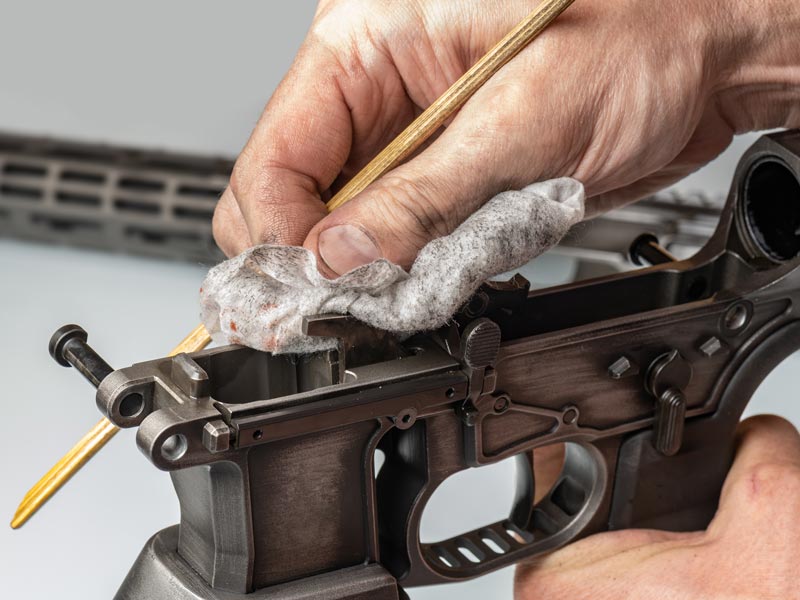
Gunsmithing is learned through structure, safety, repetition, observation, and practice.
Students need to understand how to work carefully, use tools responsibly, follow instructions, respect firearms safety rules, and approach technical tasks with patience.
MT Training Center’s Gunsmithing program gives students a structured shop-focused environment where they can begin building those habits and skills with guidance.
From machine shop work and TIG welding to stock making, design and function, ballistics awareness, and shop management, the program helps students move from interest to practical training.
Career Paths After Gunsmithing Training
The Gunsmithing program is designed to help students build skills that may support entry-level opportunities in gunsmithing, firearms-related shop work, machining, manufacturing support, and technical repair environments.
Students may be prepared to explore paths such as:
- Gunsmithing assistant
- Firearm repair assistant
- Firearm maintenance support role
- Firearm refinishing support role
- Machine shop assistant
- Lathe operator
- Mill operator
- Manufacturing support role
- Firearms-related shop support role
- Technical repair support role
This program does not guarantee employment, licensing, or business approval. Employment opportunities may depend on employer requirements, background checks, applicable laws, experience, and any required federal, state, or local approvals.
Program Length and Class Schedule
The Gunsmithing program includes 1,540 clock hours and is listed as a 44-week day program or a 62-week evening program.
Classes are scheduled Monday through Friday.
Additional Information
Admission Requirements
Applicants must review and meet the program’s admissions requirements before entering the Gunsmithing program.
Applicants must:
01
Possess a high school diploma, GED equivalent, or be able to pass the Accuplacer Test.
02
Be able to read and write English.
03
Be at least 18 years of age or honorably discharged from the military.
04
Be physically and mentally capable of completing required projects and classwork.
05
Be able to pass a background check through the Bureau of Alcohol, Tobacco, Firearms and Explosives.
06
Schedule an interview with the admissions office.
07
Submit a completed application.
08
Meet school policies, space availability, and program requirements.
Graduation Requirements
To successfully complete the program, students must meet the school’s graduation requirements.
Students are expected to:
- Complete the required percentage of clock hours
- Maintain the required academic standard
- Demonstrate safe firearm handling knowledge
- Operate machinery and related equipment proficiently
- Understand gun safety and ballistics fundamentals
- Complete required practical examinations
- Meet program completion standards
After successfully completing the program and required practical examinations, students receive a Certificate of Completion from MT Training Center.

Why MT Training Center?
Choosing the right gunsmithing training program is about more than finding a school. It is about choosing a place where safety, structure, technical skill, and professional responsibility are treated seriously.
MT Training Center’s Gunsmithing program gives students:
- A structured 1,540-hour gunsmithing training program
- Day and evening schedule options
- A 10:1 student/instructor ratio
- Hands-on shop-focused training
- Training in firearm safety, gunsmith essentials, machine shop, TIG welding, stock making, design and function, ballistics, shop management, and employment preparation
- Clear admission and background-check requirements
- Clear graduation requirements
- A Certificate of Completion after successful program completion
- A local training option in DeSoto, TX for students in the Dallas-Fort Worth area
If you want to begin building technical gunsmithing skills in a structured environment, this program gives you a clear place to start.
Frequently Asked Questions
Start Your Gunsmithing Training Path
If you are ready to turn your interest in firearms, mechanics, and precision shop work into a structured training path, MT Training Center’s Gunsmithing Training Program in DeSoto, TX gives you a practical place to begin. You will study firearm safety, gunsmith essentials, machine shop skills, TIG welding, stock making, design and function, ballistics, shop management, and employment preparation while building the foundation needed for gunsmithing-related opportunities.
Your next step starts with choosing the right training environment.